 RYBA LAB
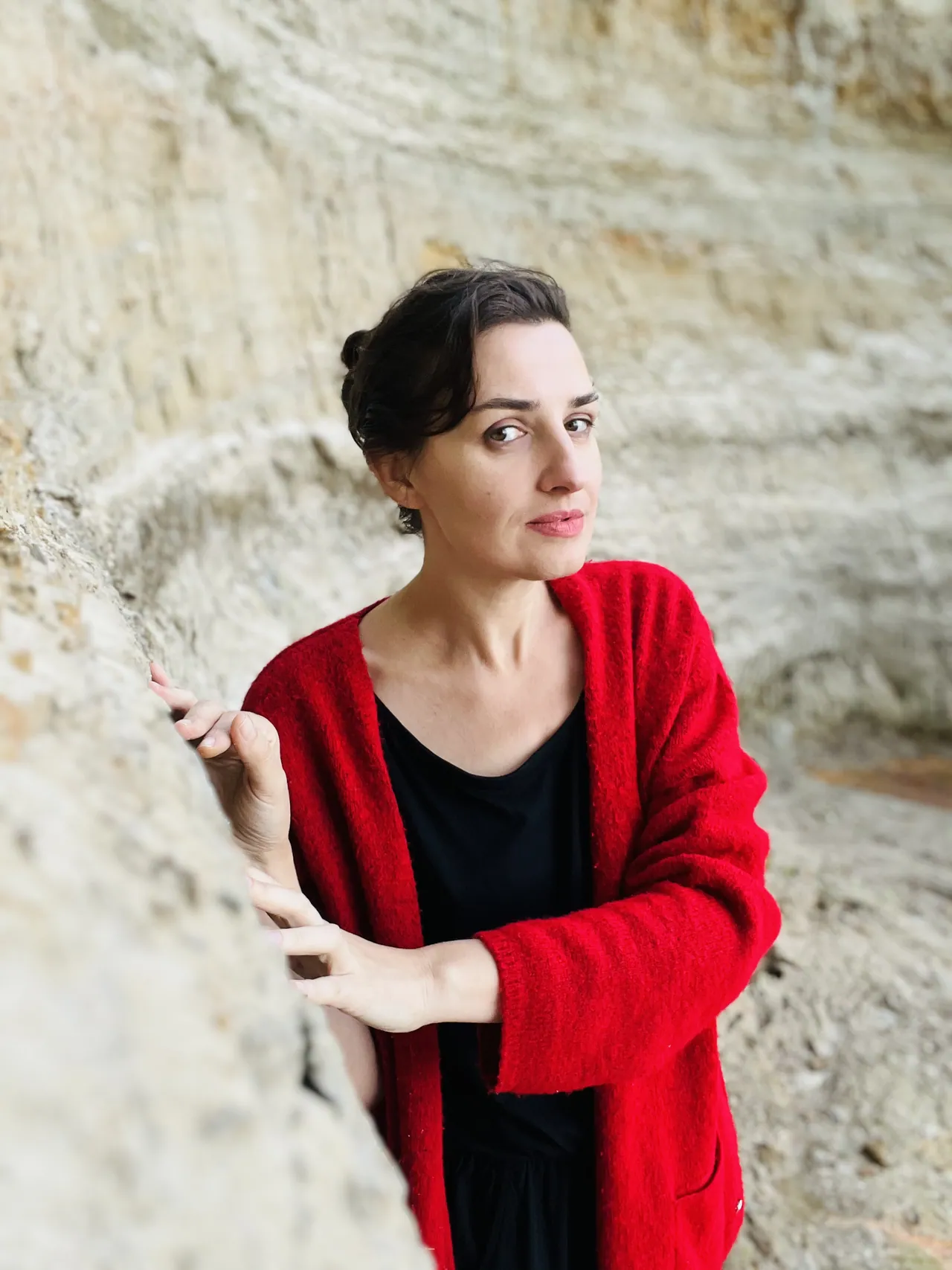
Nataliia Lisova
Artist, art historian, researcher of Ukrainian land art
Artist, art historian, researcher of Ukrainian land art and founder of the School of Land Art.
In her practice she leans towards a method of observing, revealing, interacting with, complementing and recording the surrounding environment. She channels her practical experience into research on how land art took shape in Ukraine, and is building an archive of Ukrainian environmental art.
- With RYBA LAB
- Abyss. Life in the Dark · 2026
Abyss. Life in the Dark · 2026
What Remains
Kinetic installation / art intervention / happening
The work explores the inevitability of change, the passage of time and the capacity of a landscape to hold memory.
At the centre of the installation is a transparent semi-arched structure that participants fill with sand and shells. The sand gradually trickles out through slits and openings. The process unfolds slowly and inexorably: what seemed whole and stable is transformed.
As the sand pours out of the structure, the shells remain inside. They become material evidence of what outlasts time — a fragment of the sea, a memory of presence, a sign of the life that was here before us and will remain after us.
What matters is not only the result but the process of transformation itself. Participants take part in making the work and then watch it change in real time.
Lab interview
Answers from the online lab of Abyss. Life in the Dark, 2026.
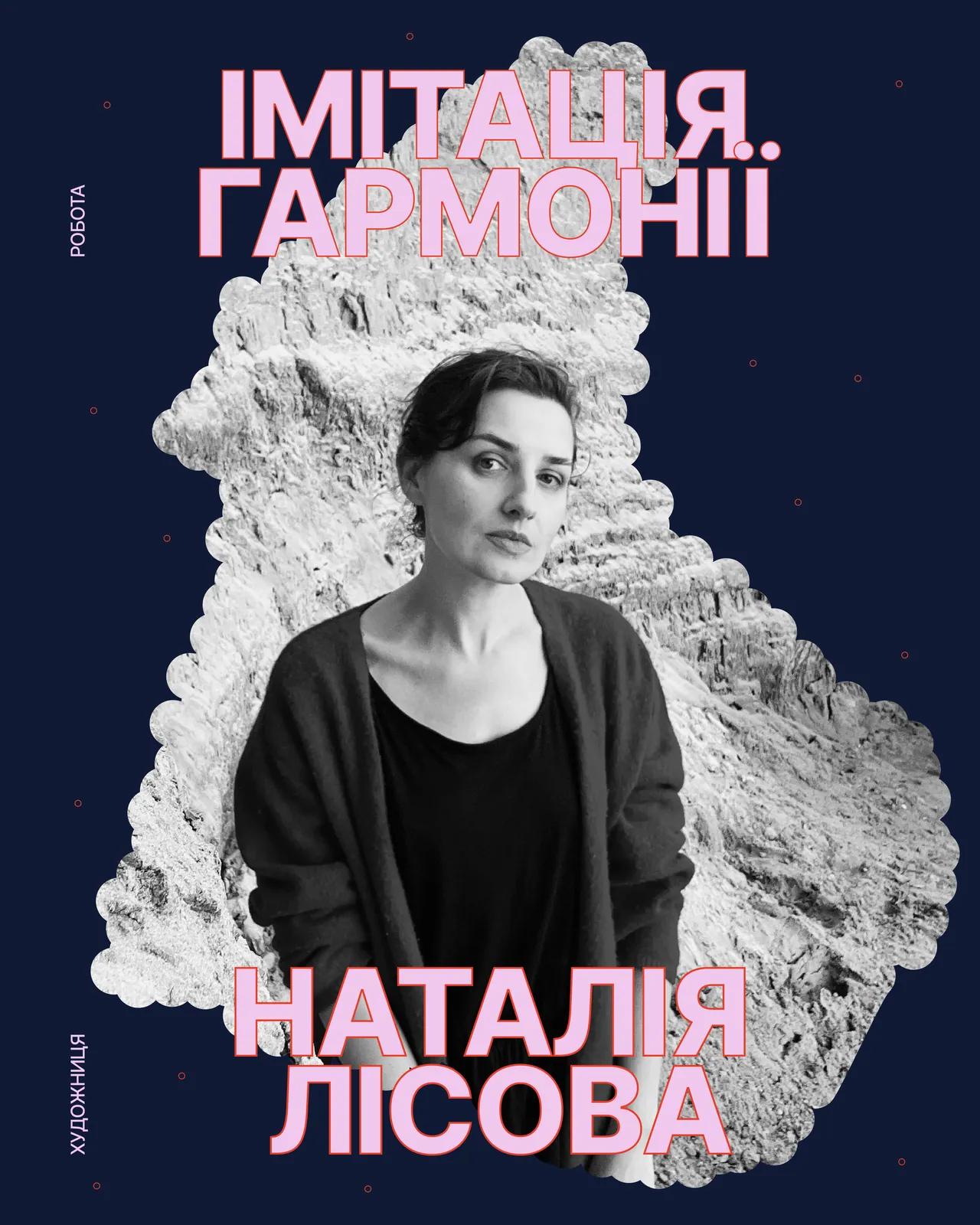
Tell us briefly about yourself, what you do and the theme you are working with at the lab
About me: artist, art historian, researcher of Ukrainian land art and founder of the School of Land Art.
In her practice she leans towards a method of observing, revealing, interacting with, complementing and recording the surrounding environment. She channels her practical experience into research on how land art took shape in Ukraine, and is building an archive of Ukrainian environmental art.
What was the beginning? Which image, phenomenon or scientific fact became the starting point of your work?
The work began with a combination of several images that are impossible to forget: “green Antarctica”, “red snow”, the shift of the Gulf Stream. Today the harmony of nature is gradually turning into an imitation of itself.
Which scientific theme or research did you work with, and what struck you most about it?
I turned to Ernst Haeckel’s Art Forms in Nature, which demonstrates the inseparable bond between art, nature and science. What struck me most was that natural forms can be at once an object of scientific study and a source of aesthetic experience. Even the most perfect natural structures are vulnerable, and their visible harmony can conceal processes of destruction caused by human interference and climate change.
Which traits of deep-sea life turned out to resonate most with human experience for you?
For me, coral reefs resonated most with human experience. They are an example of a complex ecosystem that exists thanks to a fragile balance of interconnections. For all their beauty and resilience, corals are extremely sensitive to changes in temperature, water acidity and other environmental factors. This vulnerability recalls human relationships, societies and even a person’s inner state: what looks strong and harmonious from the outside can quickly lose its balance.
Has your attitude to the sea changed after working on this project?
Yes. The sea is no longer just a symbol of beauty or leisure for me. It has emerged as a living system that holds the memory of climate change, of human interference and of its own vulnerability. Now I see it as a space in which every change has consequences, even if they remain invisible for now.
What question would you like to leave the viewer with after encountering your work?
Do we really still live in harmony with nature, or do we merely sustain a convincing illusion of that harmony, failing to notice the moment when the balance was already lost?