 RYBA LAB
Abyss. Life in the Dark
Shall we talk about darkness?
- When
- April 2026
- Format
- RYBA LAB online lab
- Curators
- Polina Pyskurova, Tetiana Tadai, Olena Marushevska
- Exhibition
- Odesa, 8–18 October 2026
- Scientific partner
- National Antarctic Scientific Center of Ukraine
The exhibition Abyss. Life in the Dark presents the results of several months of collaboration between artists and scientists of the National Antarctic Scientific Center (NASC) within the RYBA LAB online laboratory. The participants explored the Black Sea and the World Ocean, turning to deep-sea life, changing marine ecosystems, ocean acidification, biodiversity, observation technologies and the relationship between people and the sea. The works on display grew out of a dialogue between artistic practice and scientific research.
Manifesto
The abyssal zone is at once an allegory and a reality. It is an image of immeasurable depth — distant, dark, set apart from our existence — and at the same time a real space that covers most of the Earth’s surface. It is the habitat of deep-sea organisms, the vast majority of which remain unknown to science. In the depths of the ocean, life takes shape under pressure, in cold and in darkness. It is not oriented towards the gaze, and its form does not seek to be understood.
Here, every species is not a separate unit but a node in a complex web of life. The disappearance of a single element disrupts the entire web, which cannot be quickly restored. The abyss marks the limit of our knowledge — and, at the same time, the limit of our imagination.
The ocean depths hold traces of climate change, extinctions and volcanic events. They are a slow archive of the Earth’s history — a history that began long before humans and will continue after them. Today this archive is becoming vulnerable: the chemical composition of ocean water is changing. As the ocean acidifies, the carbonate skeletons and shells of marine organisms, corals and molluscs among them, are losing their strength. What for millions of years was the foundation of life is becoming fragile.
The abyss is also about us. About what exists before structure and meaning. About an inner darkness where familiar explanations no longer work and no quick way out is in sight. It is a zone without sun, in which human experience ceases to be the measure of all things and turns out to be only one among many possible.
Perhaps it is from here, from this depth, that another form of coexistence will emerge — with that which does not need us, yet senses us completely.
Scientists
Scientists of the National Antarctic Scientific Center and partner institutes who worked with the artists in the lab.
- Yevhen DykyiDirector · National Antarctic Scientific Center (NASC)Ukrainian marine biologist, PhD in Biological Sciences.
- Mariia PavlovskaEcologist · Marine microbiology and molecular ecologyEcologist and researcher specialising in marine microbiology, marine ecology and molecular ecology.
- Olena MarushevskaPress Secretary · National Antarctic Scientific Center (NASC)Expert in science and environmental communication, communications expert for the EU4EMBLAS project and Press Secretary of the National Antarctic Scientific Center.
- Karina VishnyakovaMarine biologist · Ukrainian Scientific Centre of Ecology of the Sea; NASCMarine biologist, PhD in Biological Sciences, Head of the Laboratory of Marine Vertebrates at the Ukrainian Scientific Centre of Ecology of the Sea and Senior Researcher at the National Antarctic Scientific Center.
- Nataliia DikulOceanographer · National Antarctic Scientific Center (NASC)Ukrainian oceanographer, researcher at the National Antarctic Scientific Center and participant in Ukrainian Antarctic expeditions.
- Andrii ZotovHydrobiologist · Institute of Marine Biology, NAS of UkraineHydrobiologist, PhD in Biological Sciences, Senior Researcher at the Institute of Marine Biology of the National Academy of Sciences of Ukraine.
- Mykhailo SonHydrobiologist · Institute of Marine Biology, NAS of UkraineUkrainian scientist and hydrobiologist, Doctor of Biological Sciences, Head of the Department of Ecosystem Resilience Assessment at the Institute of Marine Biology of the National Academy of Sciences of Ukraine (Odesa).
- Oleksandr Zakletskyi
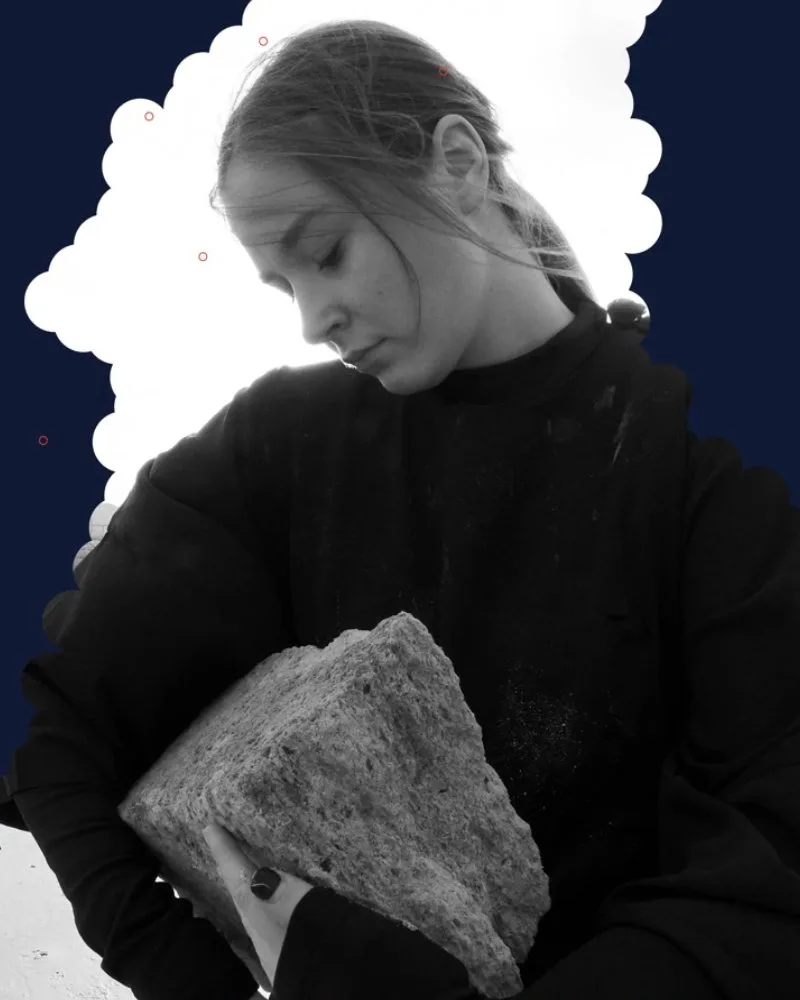
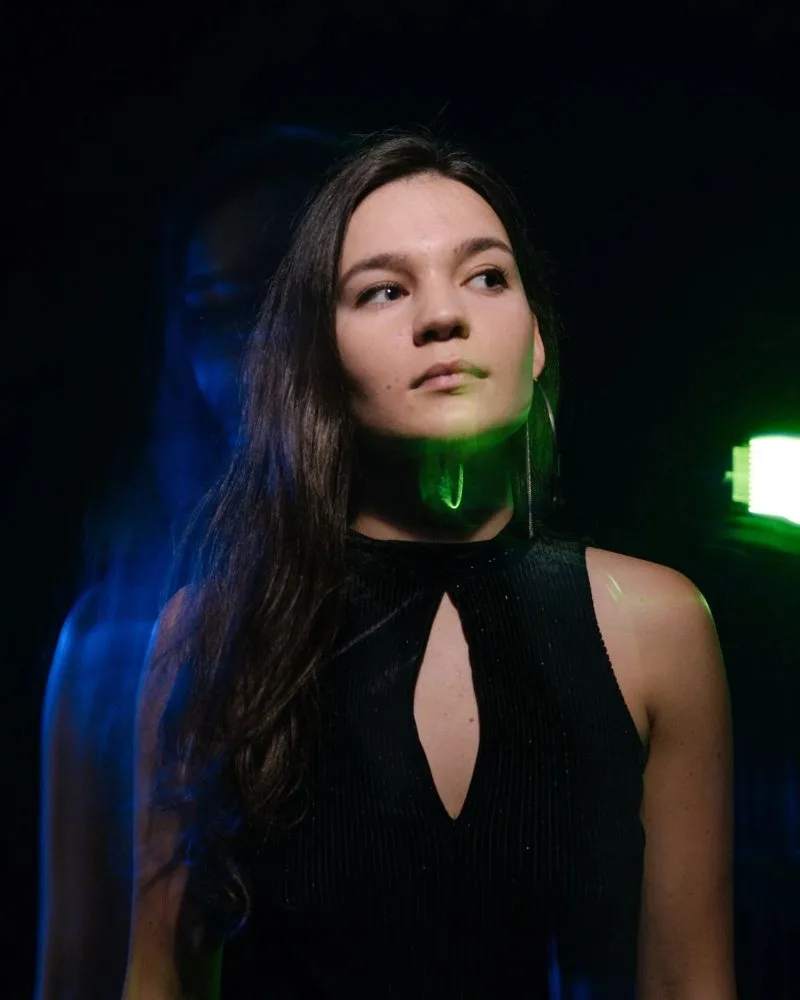
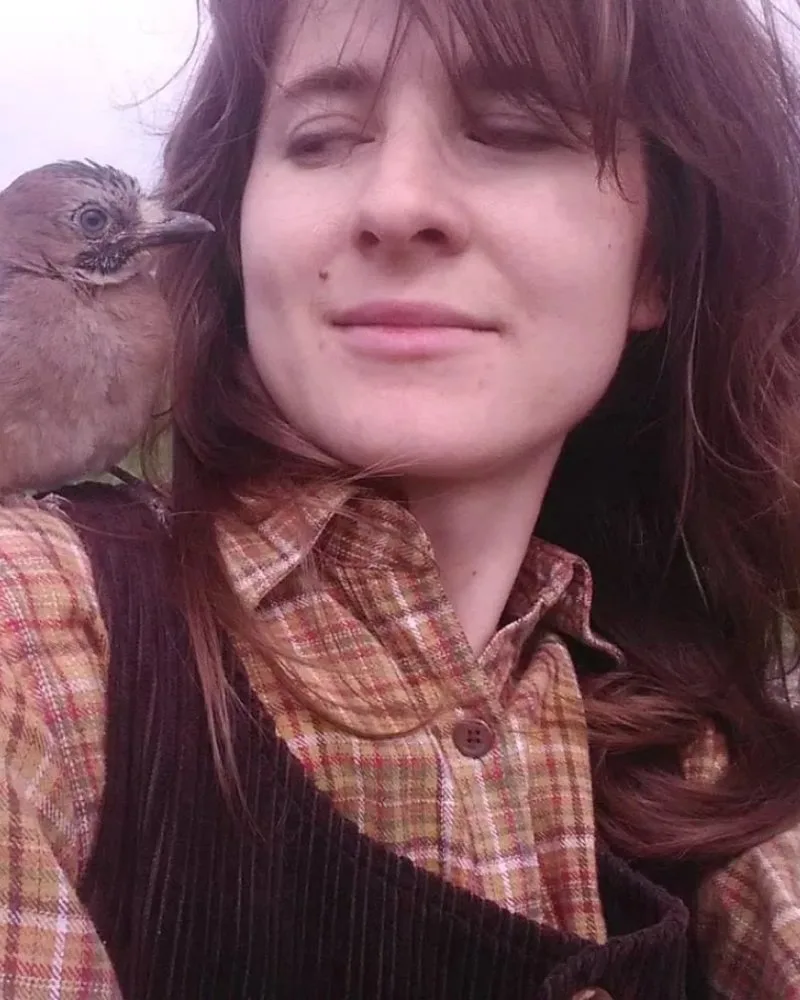
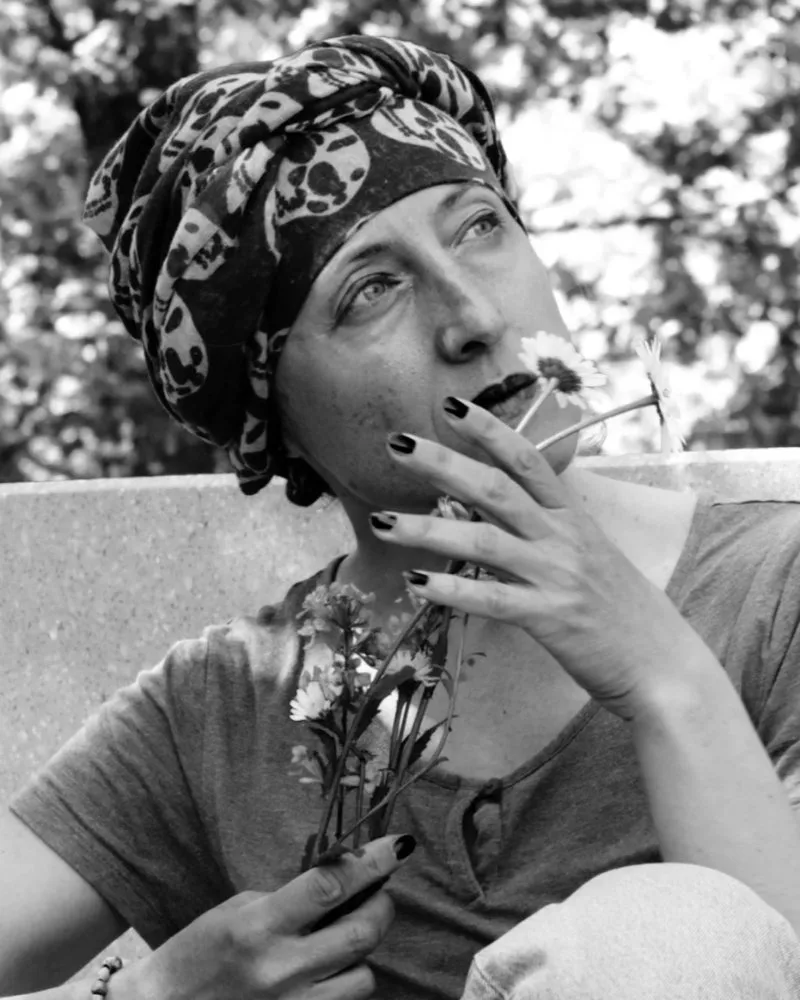
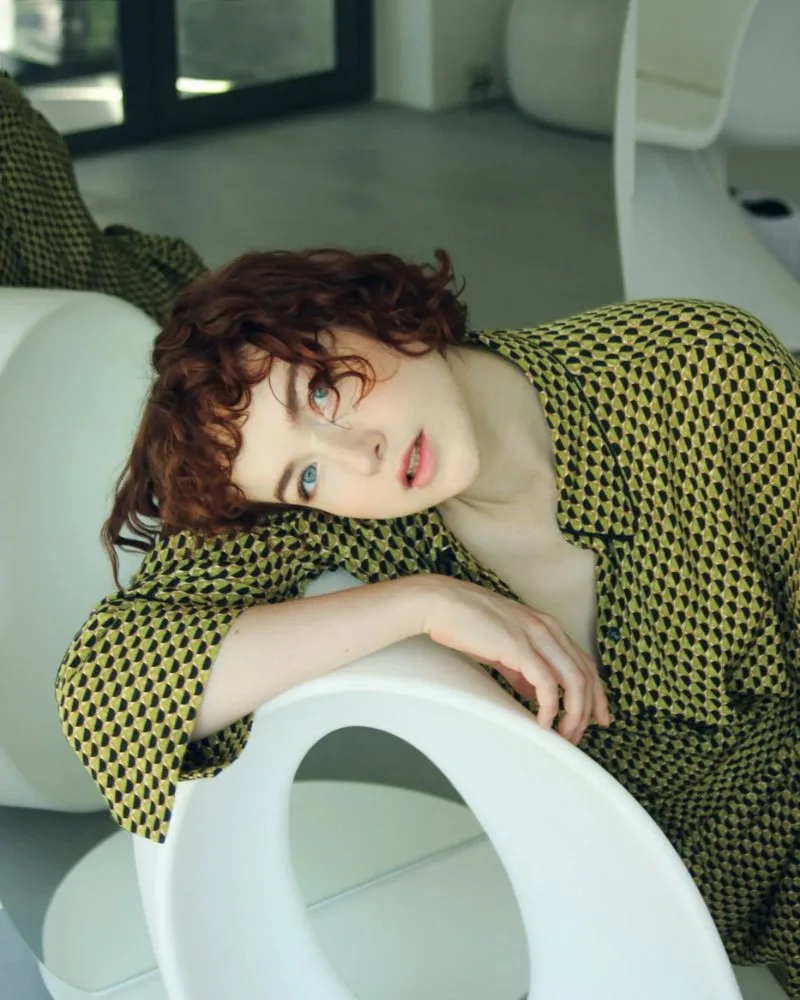
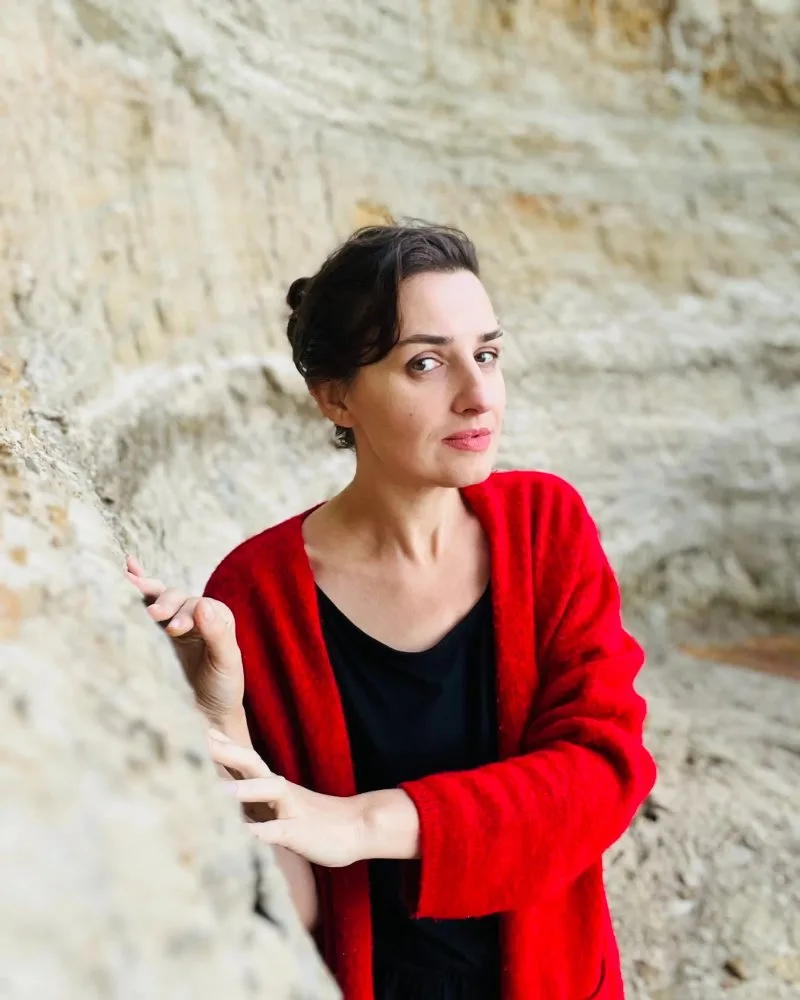
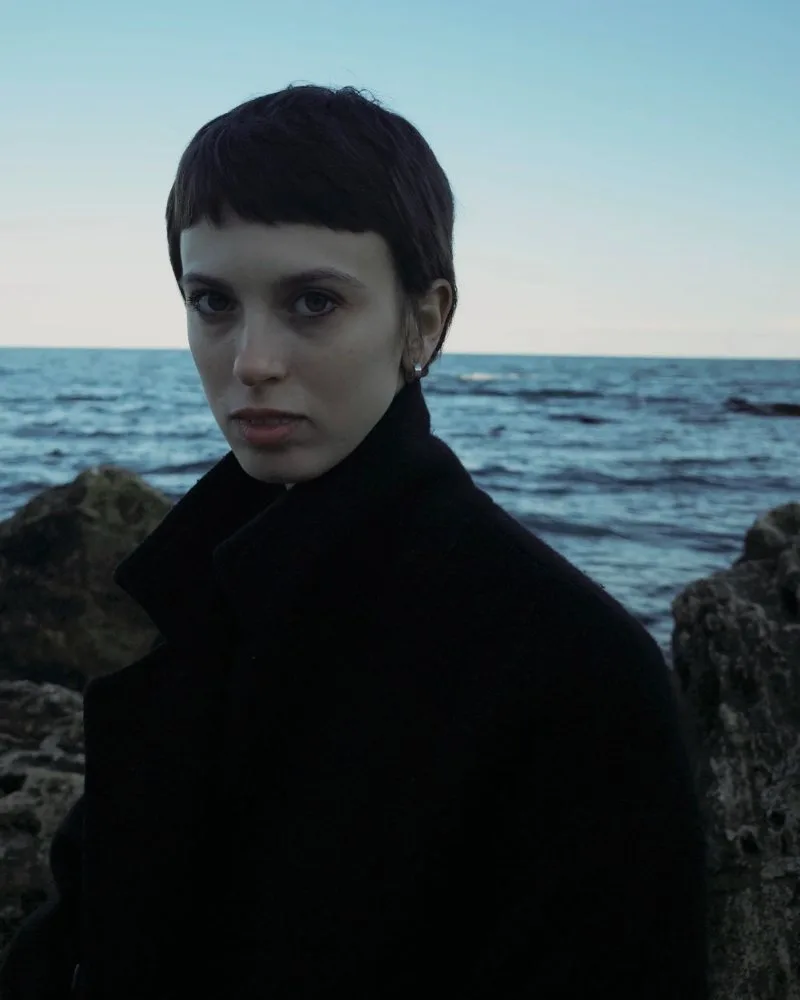
Artists
Also in the lab
- Lera Litvinova (Tevfikova)Predators
- Olena ShtepuraPhyllophlora
- Dima TolkachovThe Slumbering Sun
- Vladyslav YudinA Sanatorium for Bacteria
- Dasha Chechushkova, Mariia MatiashovaSituational Reef
Partner
 National Antarctic Scientific Center of Ukraine · Scientific partner
8–18 October 2026
Abyss. Life in the Dark · Odesa
The exhibition ran in Odesa from 8 to 18 October 2026. Below are installation views and photos from the opening night. Opening photos: Ihor Ishchuk and Polina Pyskurova for RYBA lab.